Kobo Clara Colour review: a great affordable color e-reader!
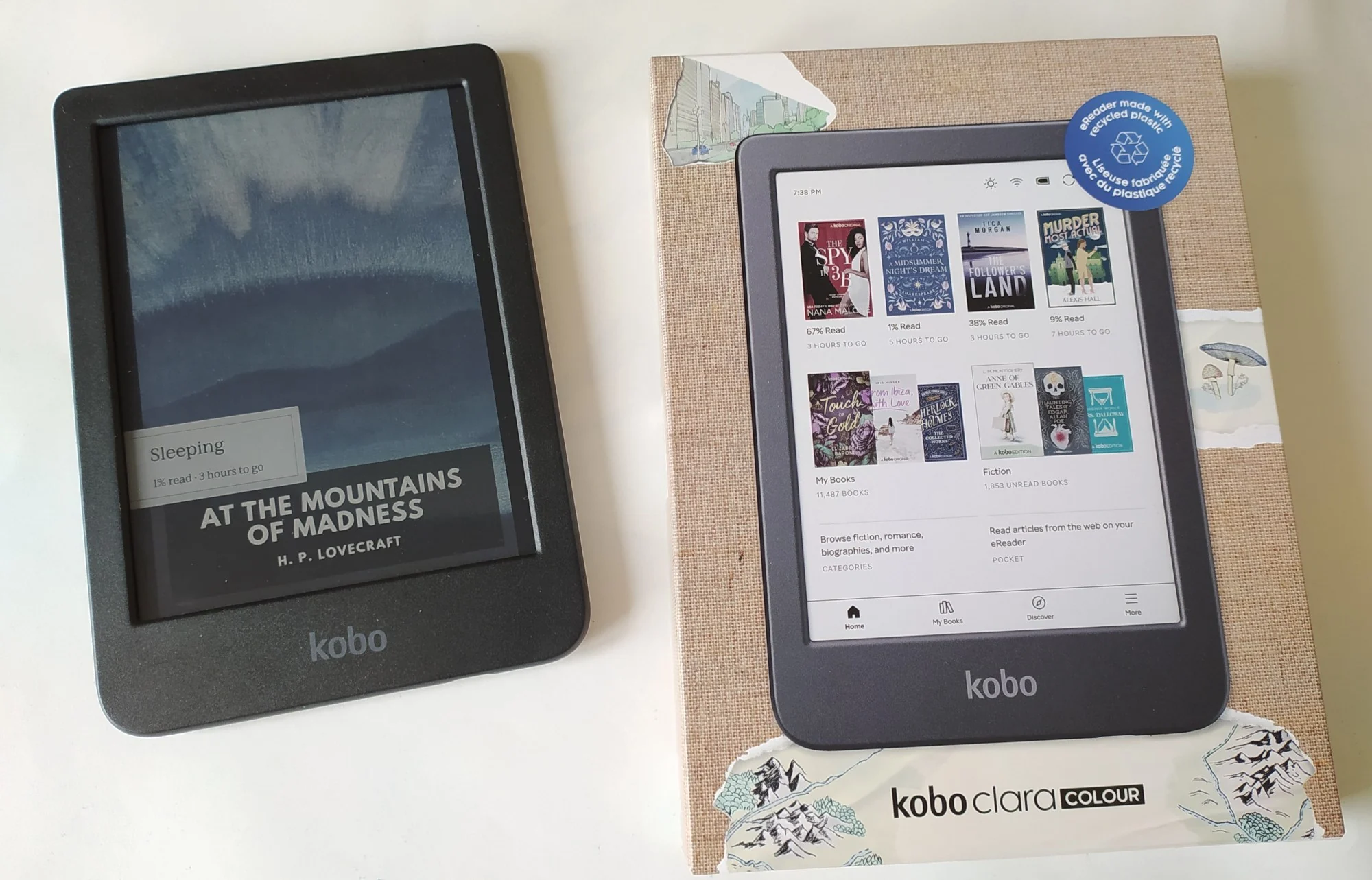
Thrilled to introduce the review of the Kobo Clara Colour, a 2024 standout among e-readers featuring a next-generation 6-inch Kaleido 3 color E Ink display. Please note that this e-reader was kindly provided to me by Kobo. A big thank you to them for making this review possible! Unboxing and Presen ... (April 24, 2024) Read more
E-reader reviews and Buying guides
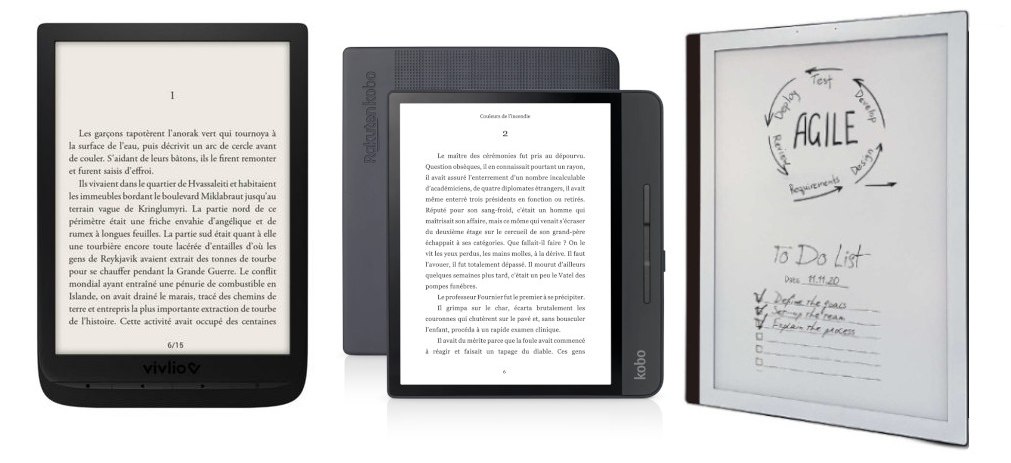
You can find all the e-reader tests published on the site and the Youtube channel on this page: Kobo Clara Colour⭐⭐⭐⭐ (reviewed in 2024) Bigme S6 Color+ ⭐⭐⭐⭐ (reviewed in 2024) Pocketbook Verse Pro review ⭐⭐⭐⭐⭐ (reviewed in 2023) Pocketbook Verse review ⭐⭐⭐⭐⭐ (r ... (April 24, 2024) Read more
Cheap e-readers, Discounts and Deals for 2024 (Pocketbook and Kobo e-readers!)
You'll probably want to take a look at the discounted prices on Pocketbook and Kobo e-readers in 2024 to buy when the prices are most attractive. If you'd like to buy a new e-reader at a good price, you'll find the best discounts currently available on this page. Deals on e-readers Find here all d ... (April 22, 2024) Read more
Kobo e-readers: which Kobo ebook reader is the best for 2024?
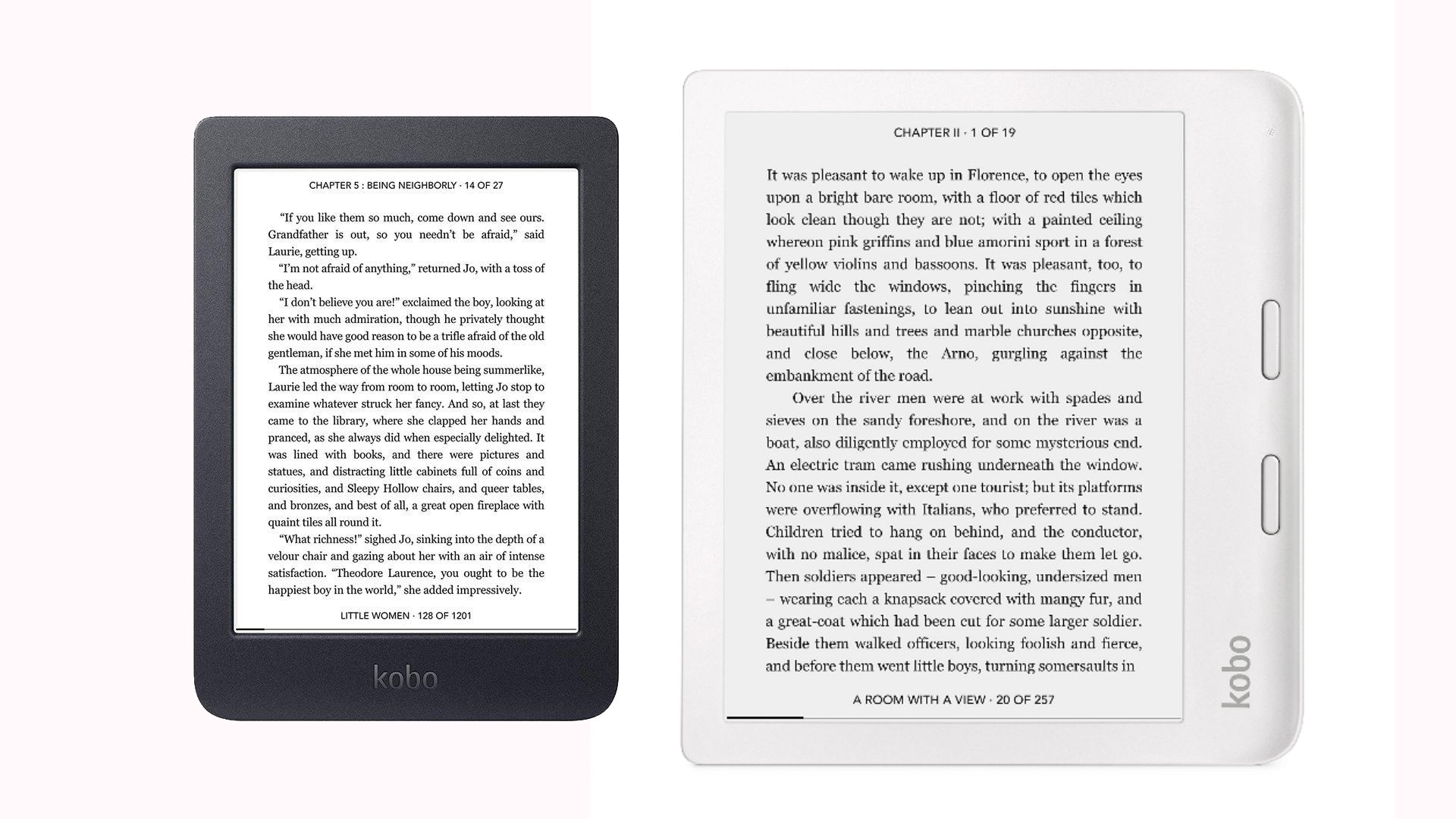
It's time to review the Kobo e-readers that can be found 2024 before making a purchase! There are several models of Kobo ebook readers with different screen sizes, different prices (more or less expensive) and various options for reading digital books. This guide will help you before making a purch ... (April 22, 2024) Read more
E Ink Kaleido 3 vs Kaleido 1: A Comparative Analysis
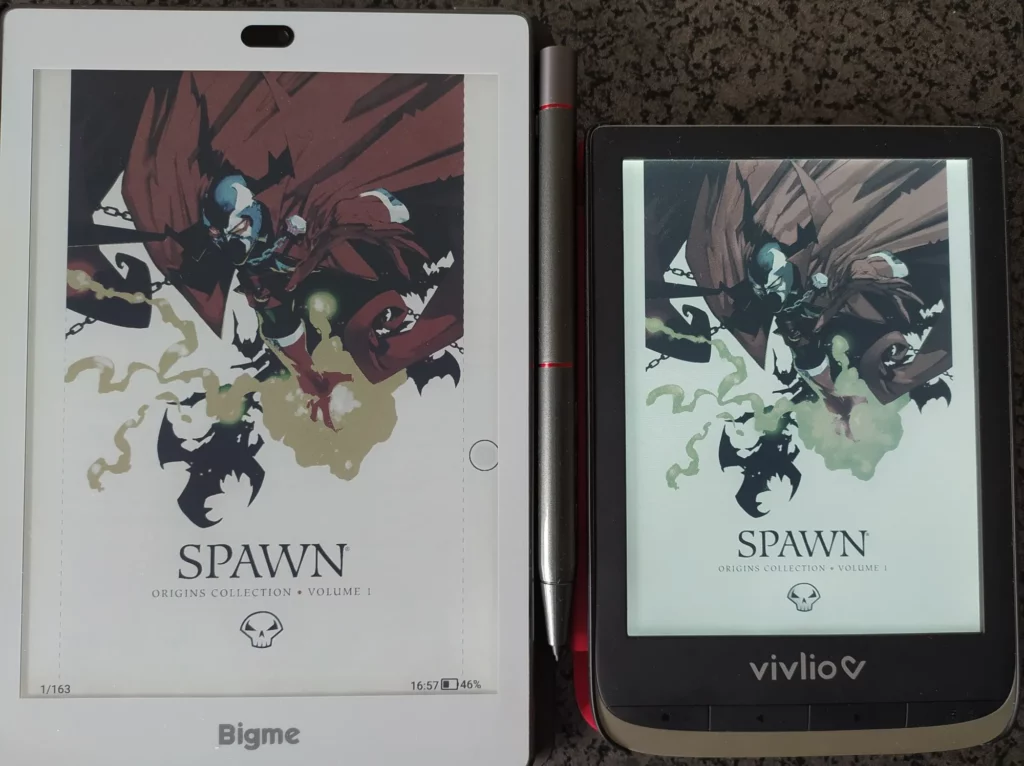
E Ink has been at the forefront of e-ink technology for years, and their Kaleido color displays have been a popular choice for e-readers. However, with the recent release of the Kaleido 3, it's time to take a look at how these two generations of displays compare. Real-World Comparison To get a bette ... (April 19, 2024) Read more
Bigme S6 Color+ review: a great color e-reader
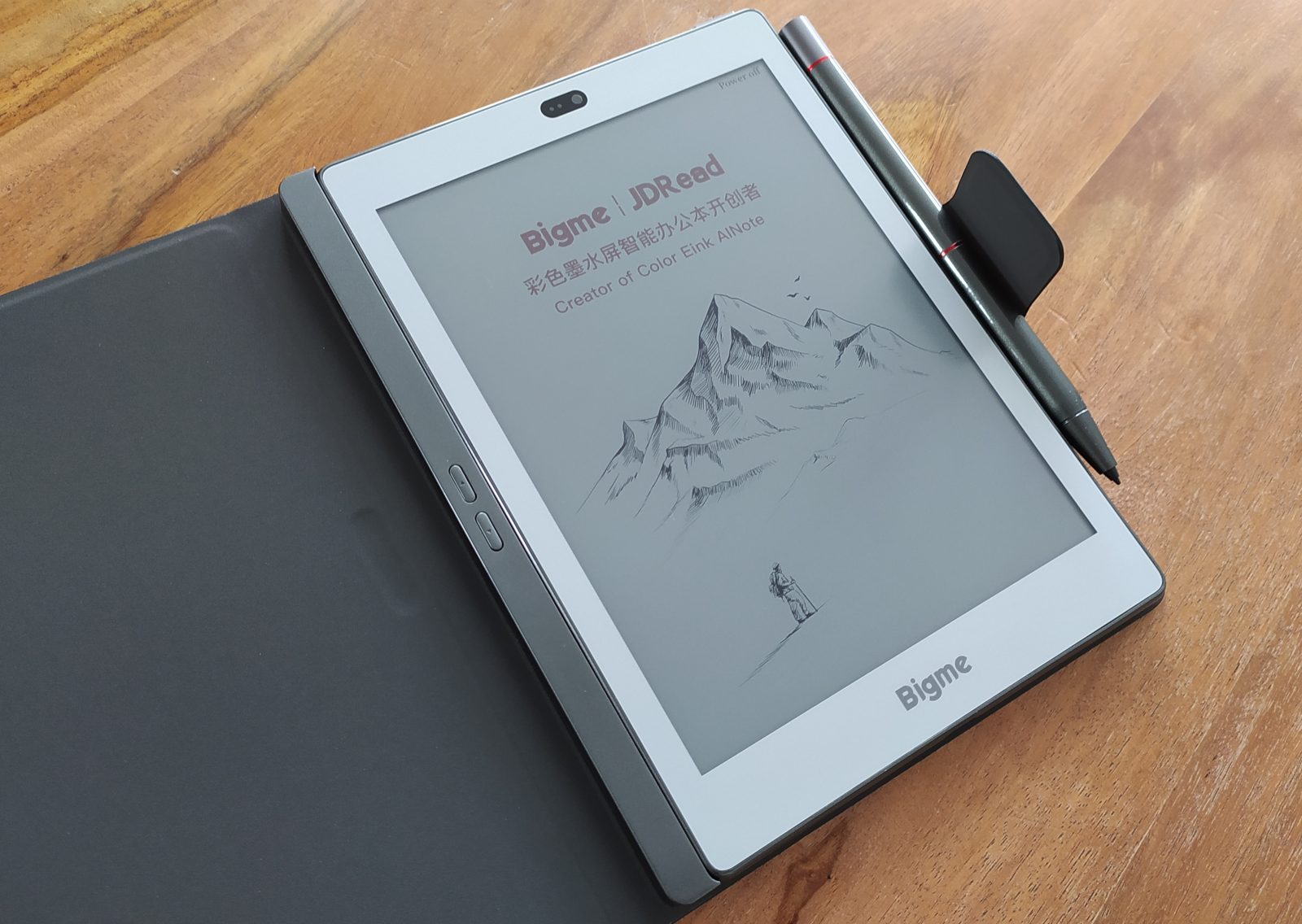
Here's the full review of the Kaleido 3 e-ink screen Bigme S6 Color+ color e-reader. You'll see that this top-of-the-range e-reader with 7.8-inch screen is particularly interesting for users looking for a color e-ink machine for work and play... First of all, I'd like to thank the Bigme company for ... (April 19, 2024) Read more
New Tolino color e-reader
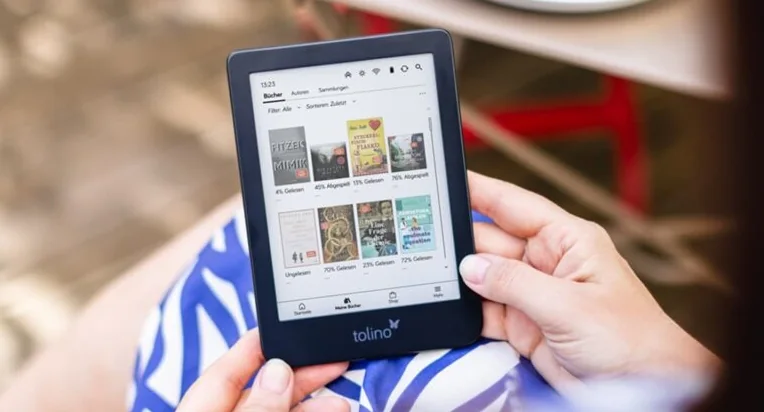
This will come as no great surprise to observers: the German e-reader brand Tolino is also announcing color e-readers: the Tolino Shine Color and Tolino Vision Color. Tolino is a brand that only distributes in certain European countries, such as Germany. In recent years, it has signed a partnership ... (April 15, 2024) Read more
Pocketbook Era Color: the new color e-reader will be available in May 2024
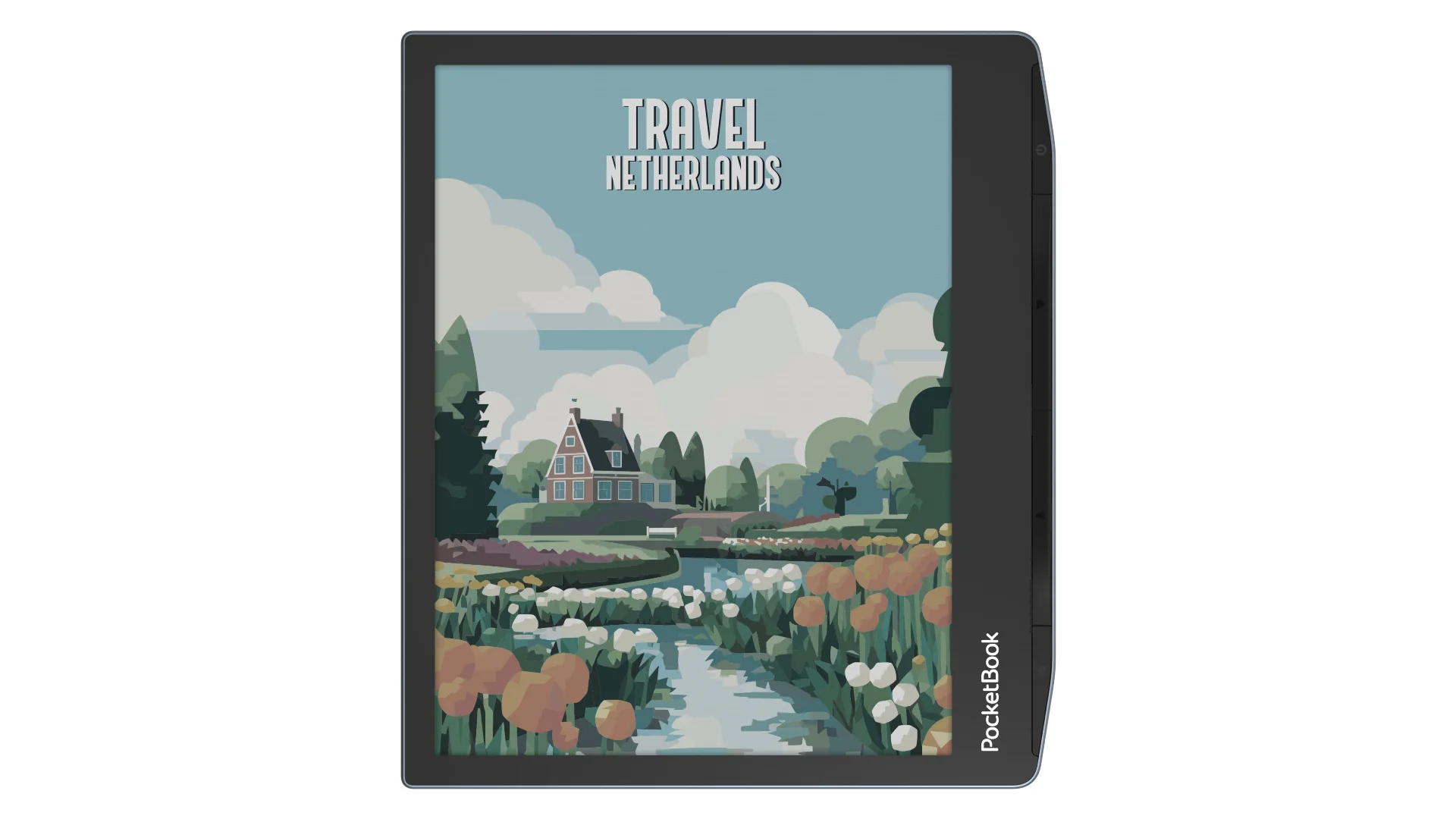
Pocketbook has announced a new color e-reader that could well change the game: the Pocketbook Era Color will be available in May, 2024. The Pocketbook Era Color is a color version of the Era and also a competitor to the Kindle Oasis and Kobo Sage. It features a 7-inch diagonal Kaleido 3 color e-ink ... (April 12, 2024) Read more
What is FastGLR on color Kobo e-readers?
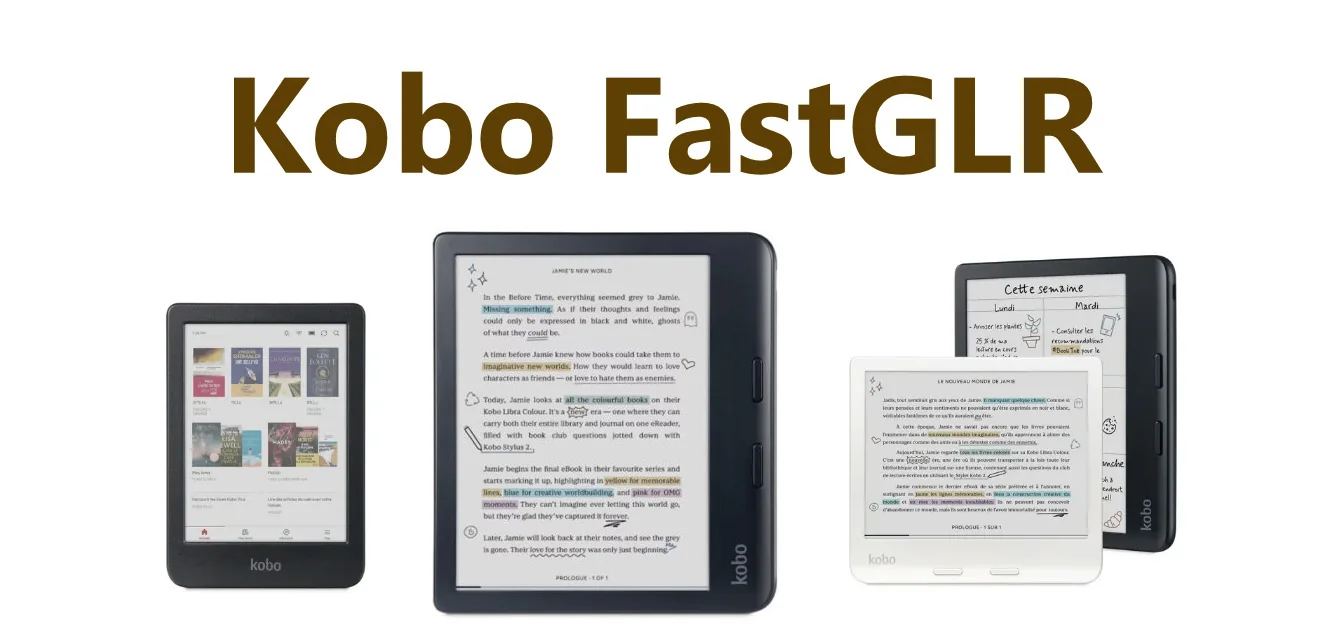
The new Kobo color e-readers are equipped with a system called FastGLR. But what is it and why is it important on a color e-reader? The new Kobo Clara Colour and Kobo Libra Colour e-readers both use the latest generation Kaleido 3 e ink color display. This screen can be set differently by the e-rea ... (April 11, 2024) Read more
Kobo Libra Colour: Kobo's first large-format color e-reader
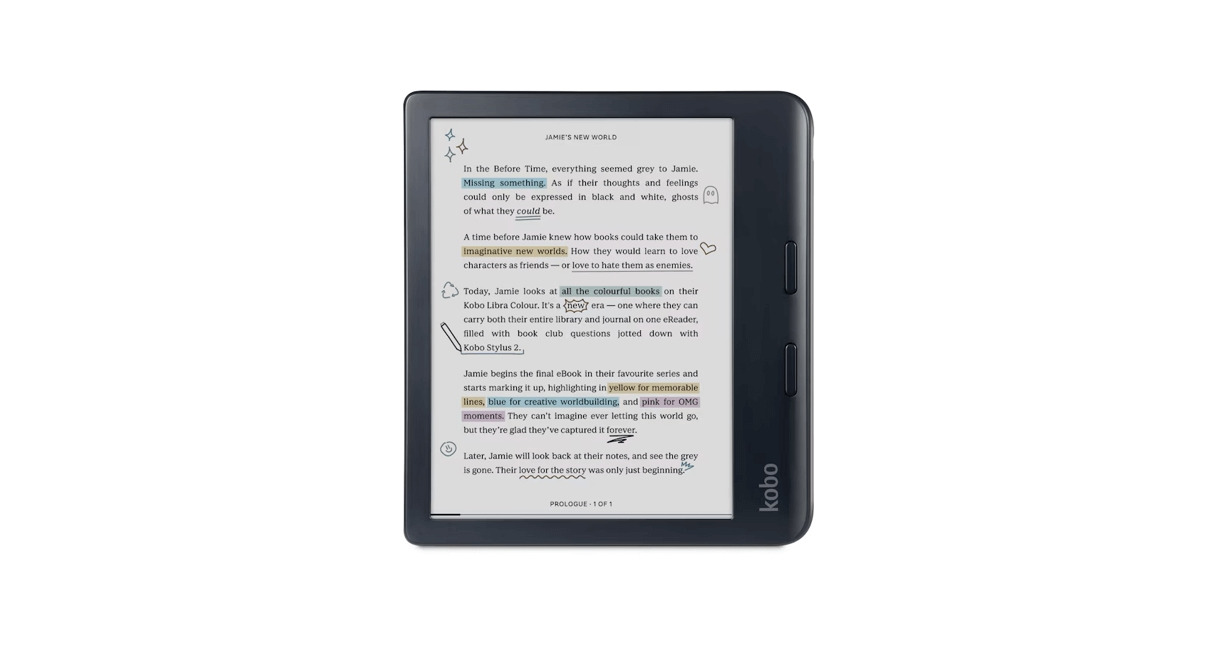
Kobo is offering a new 7-inch e-reader called Kobo Libra Colour, a color version of the already excellent Kobo Libra 2. Kobo Libra Colour: presentation of the color e-reader from Kobo The Kobo Libra Colour is a e-reader with a 7-inch Kaleido 3 color screen, featuring the characteristic style of the ... (April 10, 2024) Read more
Kobo Clara BW: the best 6-inch black and white e-reader?
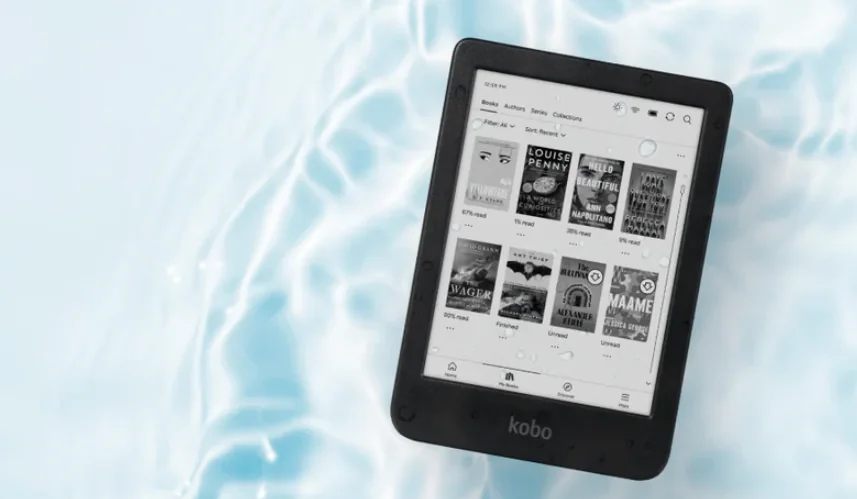
Kobo is hitting back with a new 6-inch e-reader with a black and white screen. Nothing new, you may ask? Well, this e-reader comes with a latest-generation E Ink Carta 1300 screen at an unbeatable price. In addition to the high-profile releases of the Kobo Libra Colour and Kobo Clara Colour, the Ko ... (April 10, 2024) Read more
What is books3, the largest collection of pirated books used by AI?
You may have heard about the incredible way in which artificial intelligences like ChatGPT manage to learn the contents of the most popular books. Here's how the Internet giants managed to do it - and it's not pretty! How AI knows about the content of a book? First, here's a little essay in which I ... (April 5, 2024) Read more
Comparison of the best e-readers (April 2024)
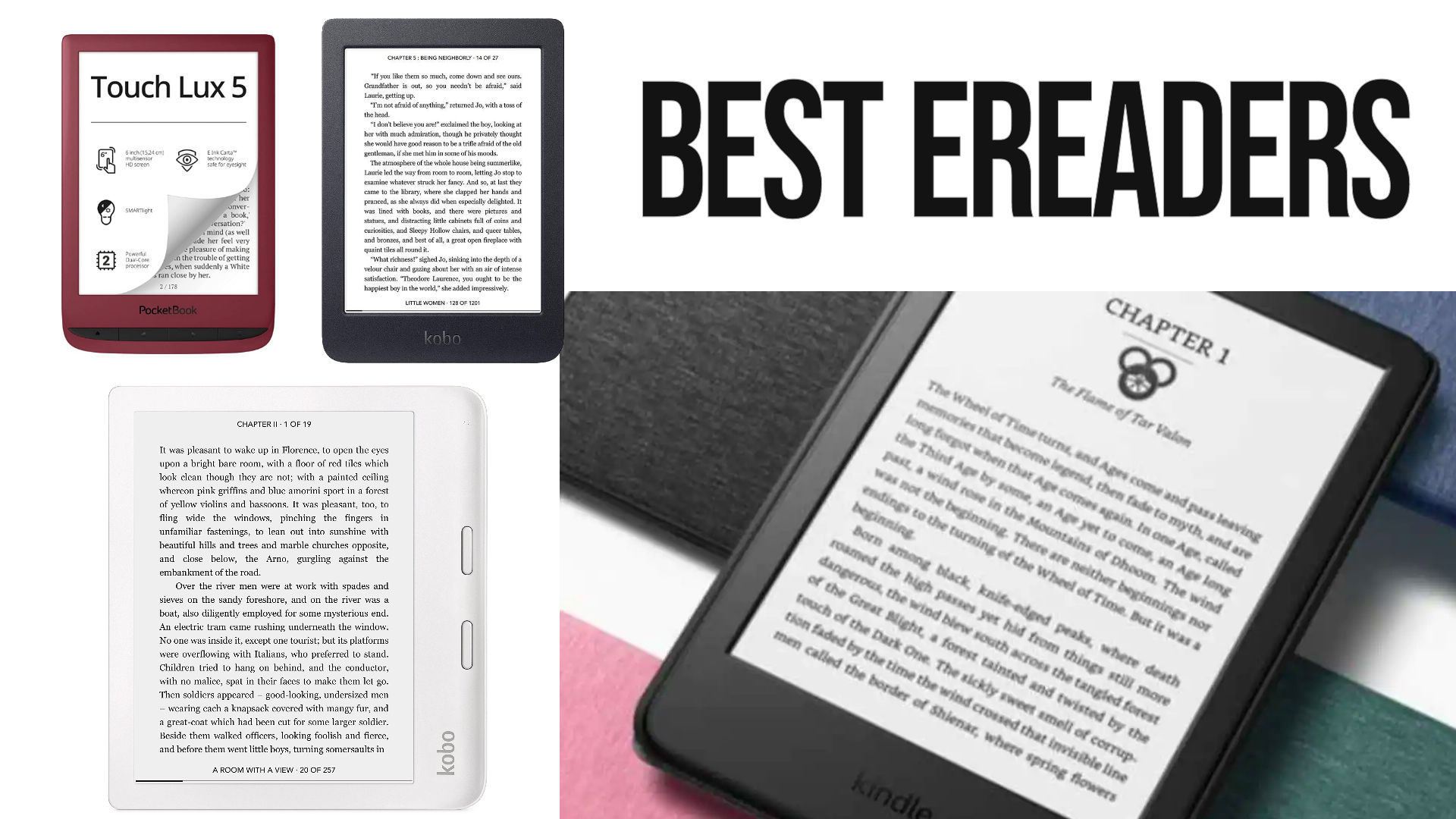
Here's the comparison of electronic ebook readers (or ereaders) for the year 2024: Kindle, Kobo, Pocketbook, Nook, Onyx, Meebook, etc. After years of reviewing e-readers, I'm beginning to know a thing or two about them. So, every month, I compile the latest information, reviews and rumors and de ... (April 1, 2024) Read more
How to split an EPUB file?
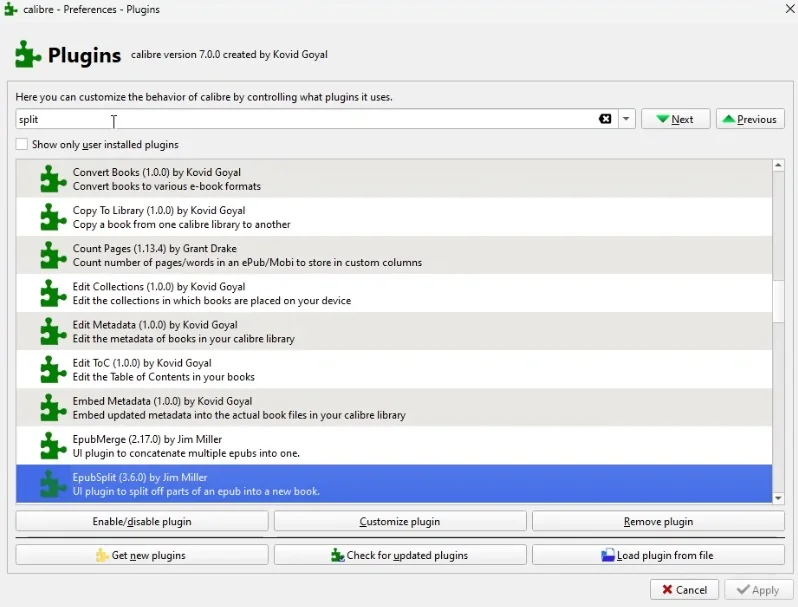
Maybe you downloaded a giant fantasy saga or a comprehensive textbook. While these tomes offer hours of reading material, navigating them on your e-reader can be cumbersome. In this tutorial, we will see how to split an EPUB file into multiple chunks. You will need to download the free, open source, ... (March 29, 2024) Read more
USA: digital book sales exceed $1 billion by 2023

The figures for the US book market have just come in, and one piece of news is sure to delight digital book lovers: ebook sales topped the billion-dollar mark in 2023. This is an impressive figure: in the USA, in 2023, digital books of the ebook (text) type brought in over a billion dollars (+0.6%) ... (March 28, 2024) Read more
How to merge multiple ebooks into one single file?
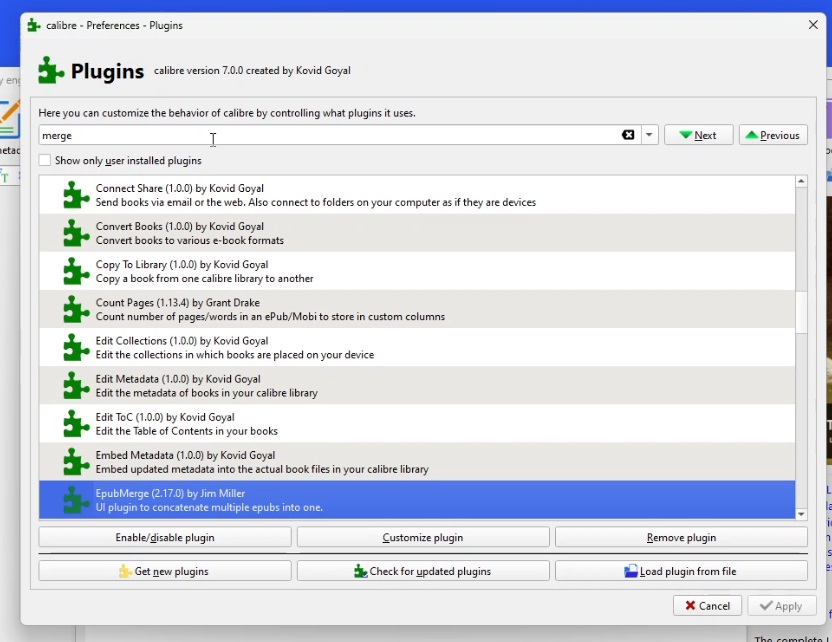
Ever downloaded multiple ebooks of the same story, but wished you had them all in one file? Or maybe you have short stories you'd love to combine into a neat anthology. This guide will walk you through the steps of merging ebook files in Calibre, so you can enjoy your favorite reads in a single, co ... (March 27, 2024) Read more
How to configure your e-reader for optimal reading?
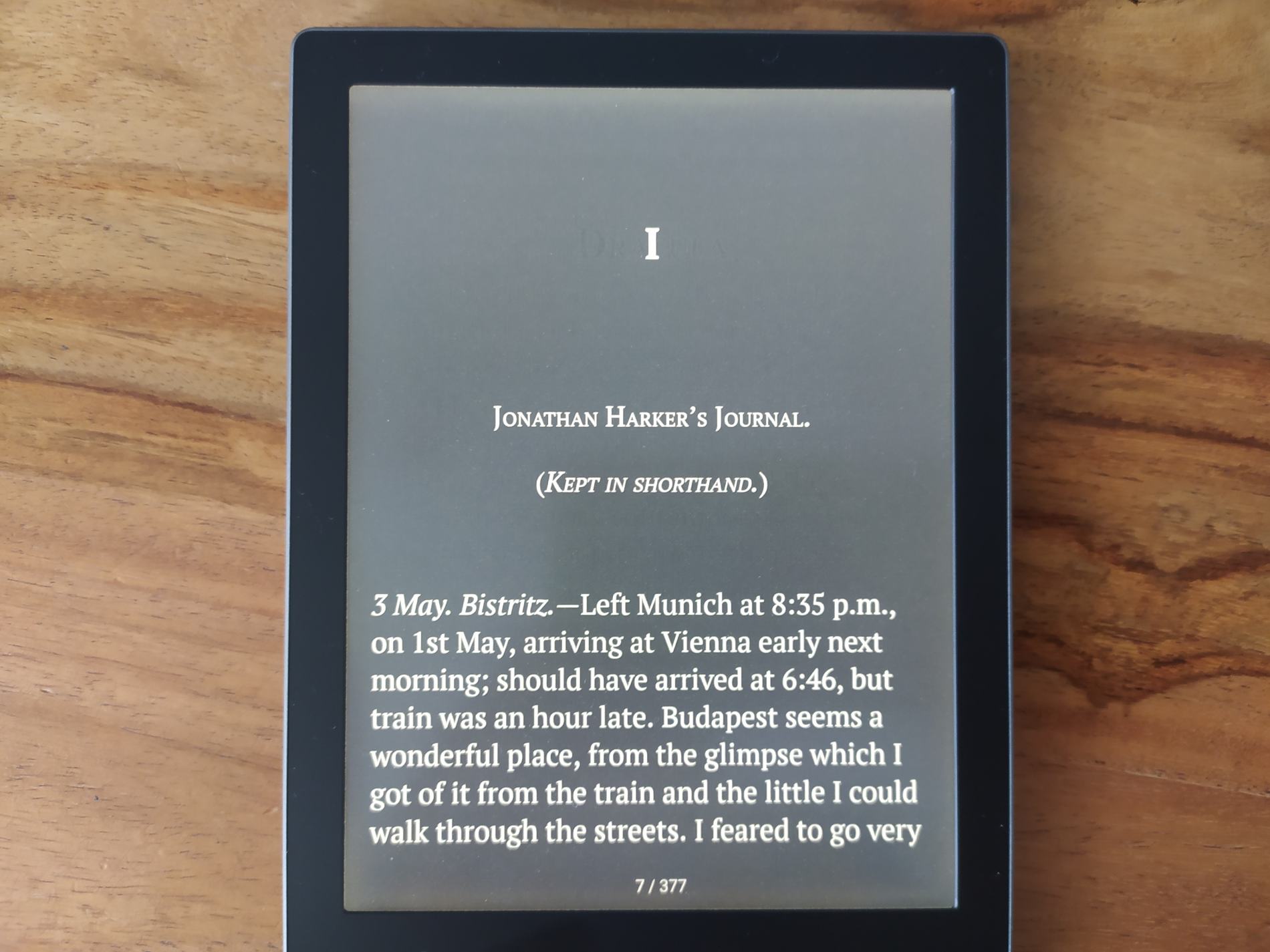
E-readers have revolutionized the way we read books, and millions of us around the world use one every day. But are you getting the most out of your e-reading experience? This guide will show you how to change the settings on your e-reader to make reading more comfortable and enjoyable. TLDR: Don' ... (March 26, 2024) Read more
How eco friendly are eBooks?
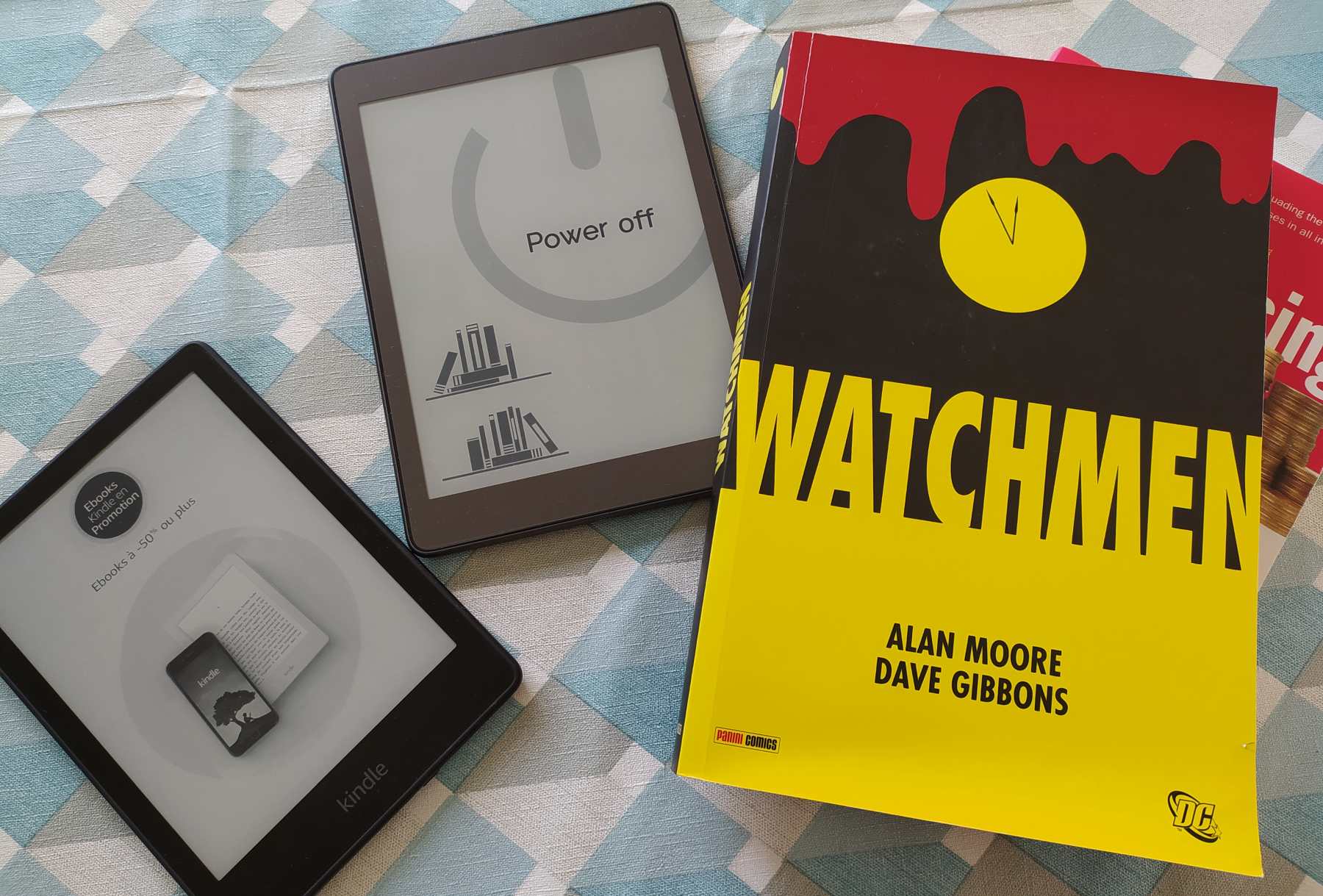
There's a lot of information all over the Internet about the so-called polluting nature of ebooks. Quite simply, the figures are announced at the drop of a hat. It's time to find out how eco friendly are eBooks! TLDR: it's much better (eco friendly) to read an ebook than to buy and read the paper v ... (March 21, 2024) Read more
About myereader.net and how to contact us
What is myereader.net ? Myereader.net is a website all about reading on modern devices. We offer reviews, news on e-readers, and news on the ebook market: hardware tests (e-reader reviews) news good deals and discounts a Youtube channel with many videos about e-readers a buying guide updated sever ... (March 21, 2024) Read more
This is the place to find informations about e-readers and ebook reading device with electric ink (e-ink).
You are on the site of e-readers and ebooks (digital books). To begin with, you can consult the e-reader reviews and get the latest news by browsing the different articles on the website. Finally, you can then head to our buying guide to find the best e-reader to access all the comparisons.
The best e-readers
The site offers many contents and guides that will help you find your way among the many models available from Kobo, Kindle, Nook or Pocketbook.
In order to help you as soon as possible, we have made a selection of the best articles on e-readers:
- Kobo e-reader : comparison and guide of Kobo e-readers
- Kindle e-reader : guide and comparison of Kindle e-readers
- Pocketbook e-reader : guides of Pocketbook e-reader models
- Free audiobooks : download free audiobooks
- Download free ebooks : all the good addresses to download free ebooks - see also this video on how to download free books
If you're not sure which brand of e-reader to choose, you can check out our guide that shows you the differences between Kobo and Kindle to make the right choice.
You should also have a look at this page : KOBO vs KINDLE vs POCKETBOOK vs NOOK: how to CHOOSE?
The best e-reader brands: Kindle, Kobo, Pocketbook and Nook
If you are looking at this page, it means that you are interested in buying a e-reader or that you want to know more about the different models available and the different brands.
There are a few brands of e-readers available in the USA. If you want to buy a e-reader, here are the brands you should choose:
- Kobo , such as the Kobo Nia, the Kobo Libra 2 or the Kobo Clara 2E
- Kindle, the e-readers of this brand are exclusive to Amazon such as the Kindle Paperwhite, the Kindle Oasis or the Kindle Scribe
- Pocketbook, like the Pocketbook Verse, Verse Pro, the Pocketbook Inkpad Color 3 or the InkPad 4
- Nook, an e-reader brand by Barnes & Nobles
In the USA, the most popular e-reader brands are Kindle (Amazon), Kobo, Nook and Pocketbook. You should also have a look at this page : KOBO vs KINDLE vs POCKETBOOK vs NOOK: how to CHOOSE?
Ereader or printed book: pros and cons
E-readers are electronic devices, and it may not necessarily seem worthwhile to use an e-reader to read instead of a book.
But, there are many advantages to reading on e-readers:
- Ebooks (electronic books) are cheaper than paper books
- You can hold a e-reader with one hand
- The fonts can be very large which is useful for people with vision problems
- You can carry thousands of books in one device
- etc
-
If you want to know all the advantages of using a e-reader to read, you can check this article: top reasons to use a e-reader to read ebooks.
In addition to visually impaired people who need large characters to read (and therefore a reader), we can also use a font like OpenDyslexic which should allow dyslexic people to read more easily on a reader than on a paper book.
It is not necessarily a miracle solution, but it has proven itself in many cases. So you can try it!
However, you don't have to read exclusively on a e-reader.
I think that e-readers can't replace paper reading. But, the two are perfectly complementary. So, I have collections of paper books that I don't have on e-reader. See also : https://myereader.net/ebook-vs-paper-book.html.
But if I want to take something to read on a trip or on the subway, bus or train, it's much easier to carry a 6-inch e-reader, which is thin, light and takes up less space than a paper book.
The other advantage of the e-reader is that you can access classic literature for free. The texts in the public domain are available for download for e-reader without having to pay money.
See this page if you want to download free ebooks: Download free ebook, comics and audio books on the Internet
So, if you like classic authors, you should invest in a e-reader. Even if you pay $150 for your e-reader, you'll pay back your investment very quickly with the free books you read.
If you read a lot, you can also turn to unlimited reading subscriptions. For example, you have the Kindle subscription for Amazon e-readers. For about $10 per month, you will have access to thousands of digital books for download. If you really read a lot, this can again quickly pay off.
You can access every articles of the websites here.
What criteria should you use to choose your e-reader?
Now that you know more, you may want to buy a e-reader But first, you need to ask yourself the right questions to make sure you're making the right choice.
Don't forget that you can check out the complete and detailed e-reader buying guide.
Here are some criteria you can take into account when choosing your e-reader:
Price: what budget do you have? You can have a good e-reader for $129,99 and an exceptional model for more than $200. But you can also start from $99,99.
Screen size: e-reader screen sizes start at 6 inches, but you can go up to 10 inches. A 6-inch e-reader is more portable, but an 8-inch e-reader offers more reading comfort.
Lighting: Many e-readers have lighting for reading at night. The latest e-readers even have a blue light filter.
Text-to-speech: if you want to try text-to-speech, you should know that very few e-readers can read text!
Waterproof: do you read a lot by the pool or in the square? Then you should consider waterproof readers, which are more expensive but more solid.
Color: e-readers with color screens are available, although these models are still expensive and few in number. There is the Pocketbook Inkpad Color 3 for example which is available in the US.